In the theater of Indian politics, the line between "guardian" and "governor" is often blurred. This week, a viral video featuring Bihar Chief Minister Nitish Kumar has once again ignited a fierce debate about the nature of women’s empowerment in India.
The incident, which took place during an appointment letter distribution ceremony for AYUSH doctors in Patna, saw the Chief Minister publicly pulling at the hijab/veil of a newly appointed lady doctor. While his party has dismissed the act as a "fatherly gesture" meant to encourage a woman from a minority community to "show her face" and progress, the visual of a powerful male leader physically adjusting a woman’s attire without her consent has struck a raw nerve across the nation.
This incident is not just a fleeting viral moment; it is a mirror reflecting the deep-seated paradoxes of women's safety and empowerment in Indian politics.
The Paradox of "Fatherly" Politics
The immediate defense offered by the JD(U) and supporters was that the Chief Minister acted out of "fatherly affection." This defense is symptomatic of a larger issue in Indian political culture: Paternalism disguised as Empowerment.
In India, female citizens are often addressed as beti (daughter) or bahin (sister) in political rhetoric ("Beti Bachao," "Ladli Behna"). While this language is intended to evoke care, it often infantilizes adult women. It suggests that women are not equal citizens with autonomy, but wards of the state who need to be "protected," "guided," and occasionally "corrected" by a patriarch.
When a Chief Minister feels entitled to physically alter a woman's clothing in a public, professional setting, it sends a message that a woman’s bodily autonomy is secondary to the state’s narrative. True empowerment isn't about a leader deciding when a woman should cover up or show her face; it is about the woman having the choice to do either, without fear of public humiliation or interference.
Agency vs. Symbolism
The incident also highlights how women's bodies are treated as battlegrounds for political symbolism.
- The Right Wing: Often focuses on the hijab as a symbol of oppression, arguing that removing it is an act of liberation.
- The Opposition: Often defends the hijab solely as a matter of religious identity, sometimes ignoring the internal patriarchal pressures women face.
Caught in the middle is the woman herself. In this specific case, the doctor was a professional there to receive an appointment letter—a milestone of her hard work and education. By focusing on her attire rather than her achievement, the political gaze reduced her from a doctor to a "hijab-wearing girl."
If safety is the goal, then safety must include dignity. A woman cannot be considered "safe" in a workspace or public forum if her personal boundaries are liable to be breached by those in power, regardless of the "good intentions" behind the act.
Moving Beyond "Safety" as Surveillance
The conversation on women's safety in India often revolves around CCTV cameras, policing, and stricter laws—essentially, more surveillance. However, the Nitish Kumar incident reminds us that safety is also about professional respect.
For a woman to feel safe entering the workforce, she needs to know that her merit will be valued above her appearance. She needs to know that her physical space will be respected by her superiors, whether that superior is a manager or a Chief Minister. When the highest authority in the state violates that boundary, it sets a precarious precedent for every other workplace in that state.
Conclusion: The Road Ahead
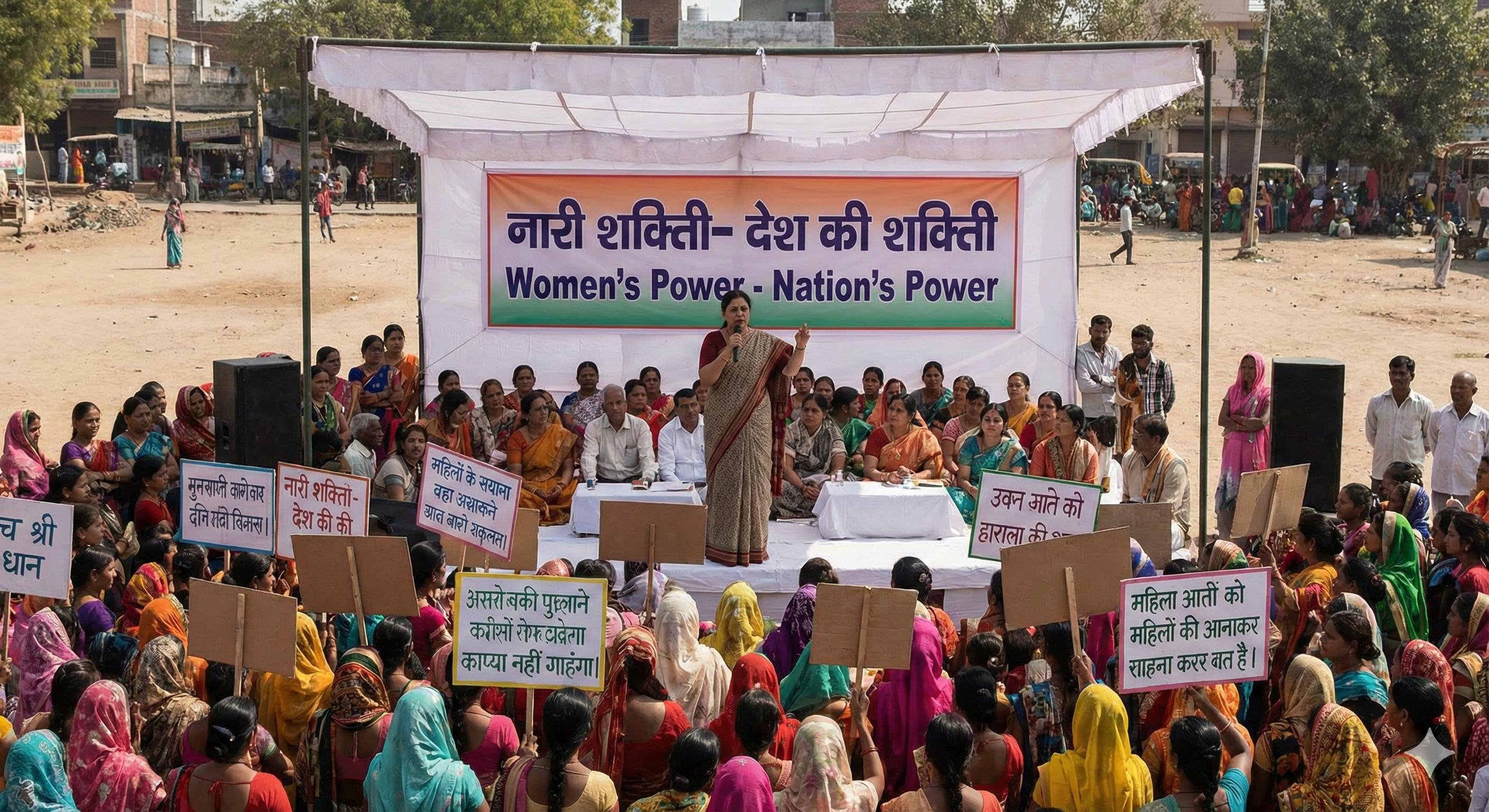
The viral video of Nitish Kumar and the hijab-clad doctor should serve as a wake-up call. We cannot claim to support "Nari Shakti" (Women Power) while simultaneously denying women agency over their own bodies.
True empowerment in Indian politics will arrive when:
- Male leaders stop acting as "fathers" and start acting as allies and administrators.
- A woman's choice of clothing—whether a hijab, a sari, or jeans—is treated as a non-issue in professional settings.
- Consent and personal space are respected as absolute, regardless of hierarchy.
Until then, our politics will remain stuck in a patriarchal loop, where women are given jobs but denied the dignity that should come with them.
Key Takeaways for Readers:
- Consent Matters: "Good intentions" do not override the need for consent.
- Professionalism First: Women in professional spaces should be judged by their competence, not their attire.
- The "Daughter" Trap: Be wary of political rhetoric that treats adult women like children to be managed.